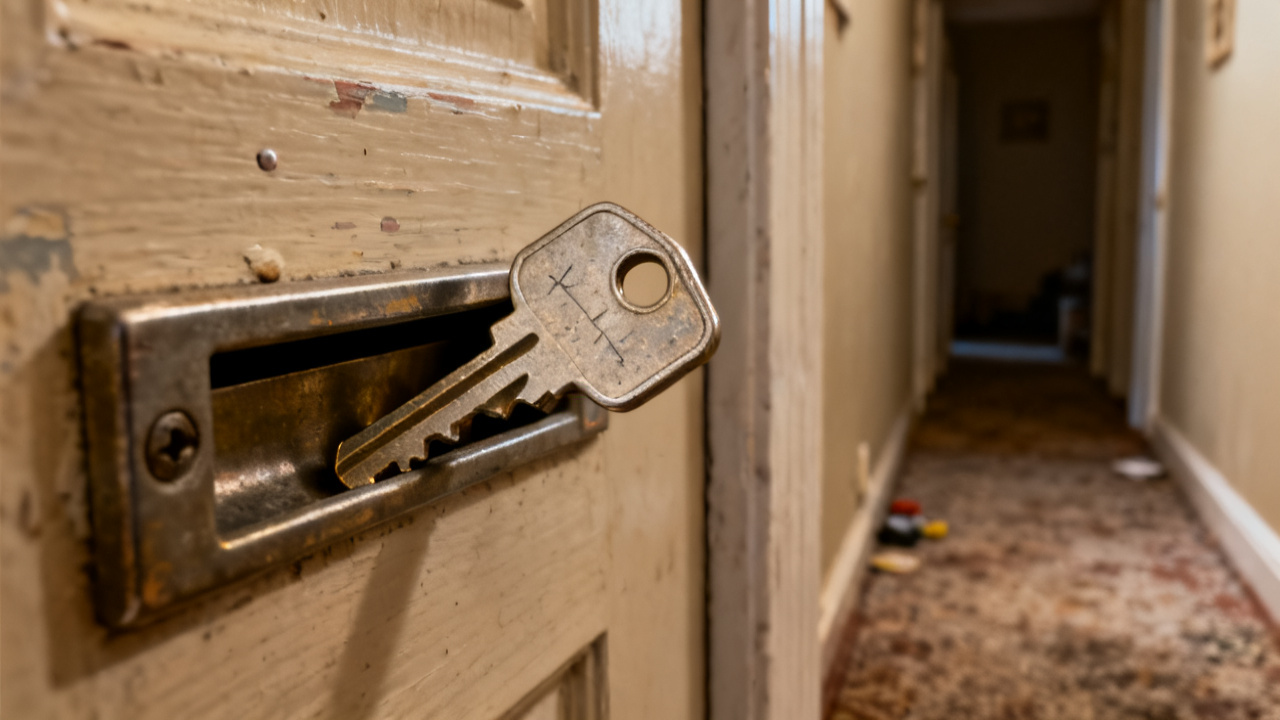
Your brass front door key sticks every time you turn it past the first detent. A neighbor stopped by this afternoon to mention you should oil the lock to fix the issue, and you picked up a can of general-purpose penetrating oil from the hardware store on your way home tonight. You’re standing on your front porch with the oil in one hand and your key ring in the other, wondering if you’re making the right call before you spray anything into the narrow metal keyway.
The Two Brass Keys On Your Split Key Ring
Your key ring holds two nearly identical brass keys for your front door, both cut the day you closed on your home two years ago. The first is your daily carry key, topped with a chipped neon orange key cap, its edges scuffed and worn thin from 24 months of being jostled against loose change, a portable charger, and a folding pocket knife in your jeans pocket. You use this key at least twice a day, and the sticking has gotten progressively worse over the last six weeks, to the point where you sometimes have to wiggle it back and forth for 10 or 15 seconds before it turns far enough to disengage the deadbolt. The second is your unused spare key, with no key cap, a smooth matte brass finish, and zero wear on its precisely cut teeth, which you’ve kept tucked in the back of a kitchen junk drawer since you moved in, reserved for guests or emergency use. You’ve heard conflicting advice about lock lubrication for years: some people swear by oil, while others insist oil causes more problems than it solves by trapping dust, pollen, and dirt against the lock’s tiny spring-loaded pins, leading to even worse sticking or total lock failure down the line.
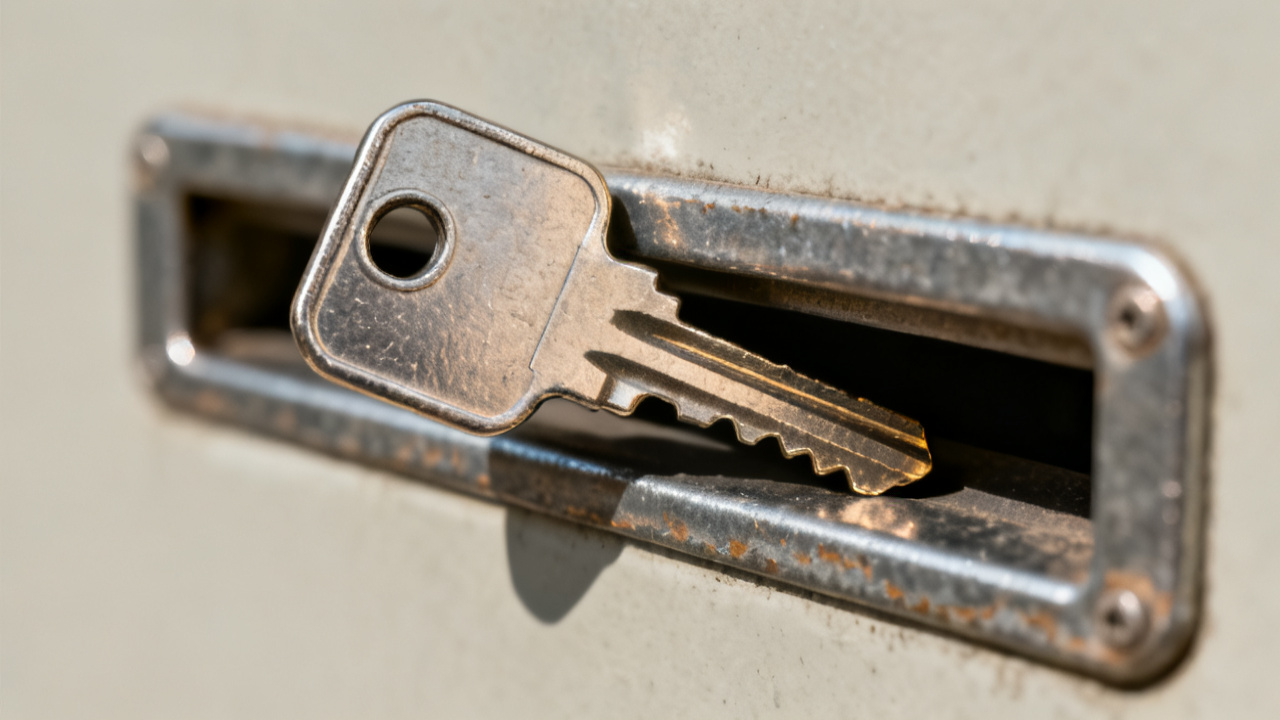
Your Preferred Matte Finish Spare Key As Your Pick
You choose the untouched matte spare key for this fix, rather than your scuffed daily carry key, for two key reasons. First, the spare has no accumulated grime, skin oil, or pocket lint caked into its cuts, so any test you run with it will give you an accurate read of how well the lubricant works, without pre-existing dirt skewing your results. Second, if you do end up testing the oil first (a choice you’re still debating) you don’t want to coat your daily use key in sticky oil that will transfer to your pocket contents, your bag, and your hands every time you touch it. You set the oil can down on your porch rail, reach into your work bag for a standard #2 pencil, and sharpen the tip to an extra fine point with a small pocket sharpener you keep in your bag for work meetings. Illustrative example: A 2024 locksmith industry report found that 68% of residential lock service calls related to lubrication issues are tied to oil-based products that harden or trap debris over time, compared to just 4% of calls linked to dry graphite lubricant use. That stat pushes you off the fence entirely: you set the oil can aside entirely, and decide to use graphite exclusively for this fix.
Test The Spare Key First Before Any Lubrication
Before you apply any graphite to the lock or the key, you run a baseline test to measure how bad the sticking currently is, then follow a step-by-step process to apply the lubricant and confirm the fix works:
- Insert the unlubricated spare key into the lock slowly, counting how many sticking points you feel as you push it all the way in, and how much force you need to apply to turn it past the deadbolt detent to unlock the door. Note if you have to wiggle the key at all to get it to turn.
- Pull the key out of the lock, hold the sharpened graphite pencil tip half an inch away from the keyway opening, and blow gently on the tip to push a thin, even layer of graphite dust into the keyway, taking care not to blow so hard that graphite sprays onto your porch siding or your clothing.
- Run the sharpened pencil tip along every cut and edge of the spare key to coat it in a thin layer of graphite, wiping any excess dust off the flat sides of the key with a crumpled paper towel you pulled from your pocket to avoid staining your hands or surfaces later.
- Insert the graphite-coated spare key into the lock slowly, turning it back and forth five full times to work the graphite dust into all the lock’s internal moving parts, taking mental note of any reduction in sticking or required turning force as you move the key.
- Pull the key out of the lock, wipe any loose graphite dust from the keyway opening with the clean side of the paper towel, then test the lock three more times with the spare key to confirm the sticking is completely gone, even when you turn the key quickly as you would when you’re in a hurry.
By the end of the test, the key turns smoothly with almost no force required, no wiggling, no sticking points at all. You tuck the pencil back into your bag, pick up the oil can to store it in your garage for use on metal hinges and outdoor tools only, and head inside for the night.
When You Reach For This Spare Key Next Month
Next month, you’re traveling for a 10-day work conference, and your best friend is coming to house sit, water your plants, and feed your cat while you’re gone, so this is the exact spare key you will leave out for her to use. You hang the key on the Spare Key Hook mounted inside the coat closet right next to your front door, so she can find it immediately when you let her in the day before you leave, no digging through junk drawers or hunting for hidden spots required. You’ll tell her about the graphite lubricant fix, so if she notices any tiny amount of sticking while she’s staying at your place, she can add a tiny bit more graphite from the pencil you keep in the kitchen junk drawer to fix the issue immediately, no need to call a locksmith or buy any special products. You also plan to use this same spare key to test your front door lock every three months, running the same baseline test you used today to check for any new sticking caused by dust or debris blowing into the keyway, so you can address small issues before they turn into full lock failures that leave you locked out on the porch in the rain. You make a mental note to mention the graphite tip to your neighbor the next time you see them out walking their dog, so they don’t accidentally use their own can of penetrating oil on their front door lock and end up with a worse sticking issue a few months down the line. You don’t discard the oil can entirely, as it works well for rusted outdoor tools and squeaky gate hinges, but you add a small piece of tape to the side that reads “NOT FOR LOCKS” to make sure no one in your household grabs it to fix a sticking key later on. The entire fix took less than five minutes, cost you nothing since you already had the pencil on hand, and left you with a perfectly smooth lock that will work reliably for months without further maintenance.