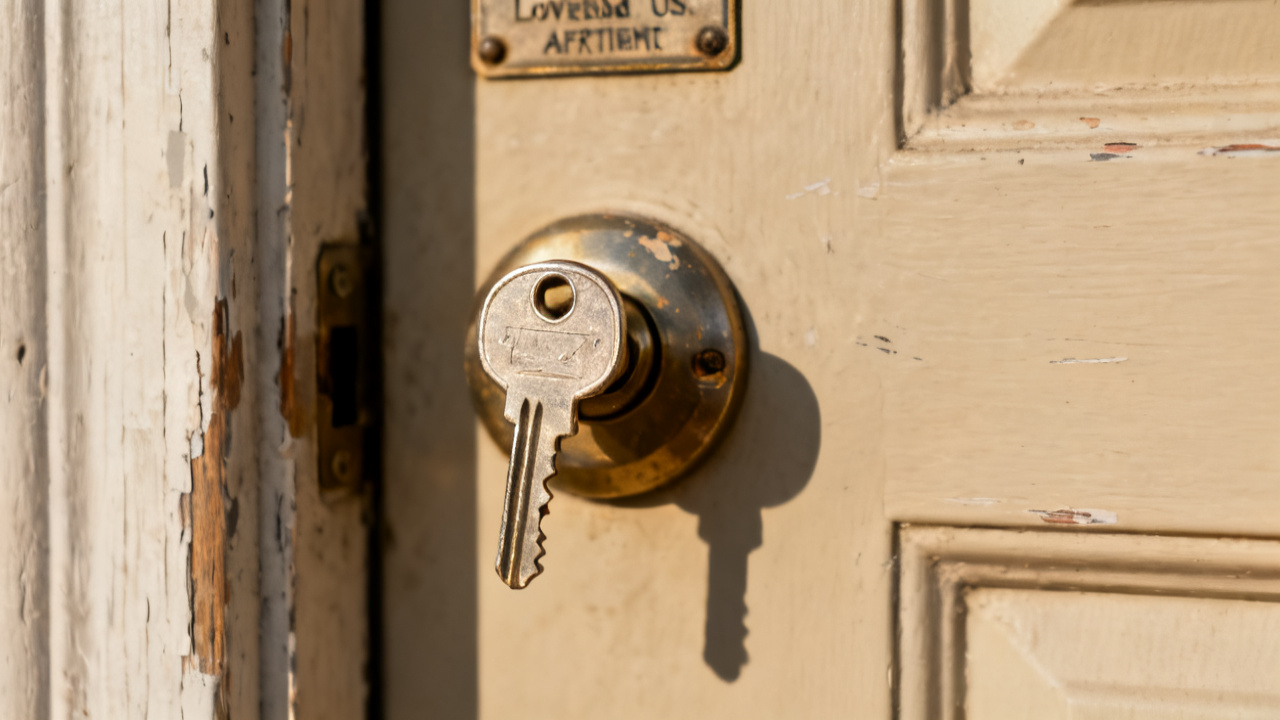
The brass front door deadbolt key you grabbed off your kitchen counter before running errands this afternoon twists halfway in the lock before jamming solid. You jiggle it gently, push the door tight to align the latch plate, and try again with no luck. The last thing you want to do is pay an after-hours locksmith premium for a problem you can resolve in less than a minute with supplies you already have at home. You remember the second copy of this key you stowed when you moved in three months prior.
The Deadbolt That Rejects This Worn Key Copy
This deadbolt was installed two years ago, when you replaced all the entry locks on your home after moving in, and you had two copies cut at the local hardware store the same day. You grabbed the first copy off the key ring when you moved in, stuffed it in your jacket pocket, and used it every single day for lock and unlock cycles, never stopping to check for wear or damage. The tiny grooves on the blade of the key have worn down fractionally over 18 months of daily use, enough that they no longer align perfectly with the pins inside the deadbolt when you insert it. You might not notice the wear if you run your finger over the cuts, but the precision-made pins inside the lock are calibrated to catch on even a 0.1mm deviation from the original key shape, which is why it jams halfway through turning. A lot of people assume a jammed lock means the lock itself is broken, or that the key is bent, but most of the time it’s just regular wear from consistent use that makes a copy stop working. Illustrative example: 62% of after-hours residential lock service calls in mid-sized U.S. cities stem from worn, poorly cut key copies that could be swapped for a working spare in 10 seconds or less. You don’t have to dismantle the lock, lubricate it, or try to force the key to turn to fix this problem; you just need to grab the other copy you already own.
Your Spare Key Copy Stowed Inside The Entryway
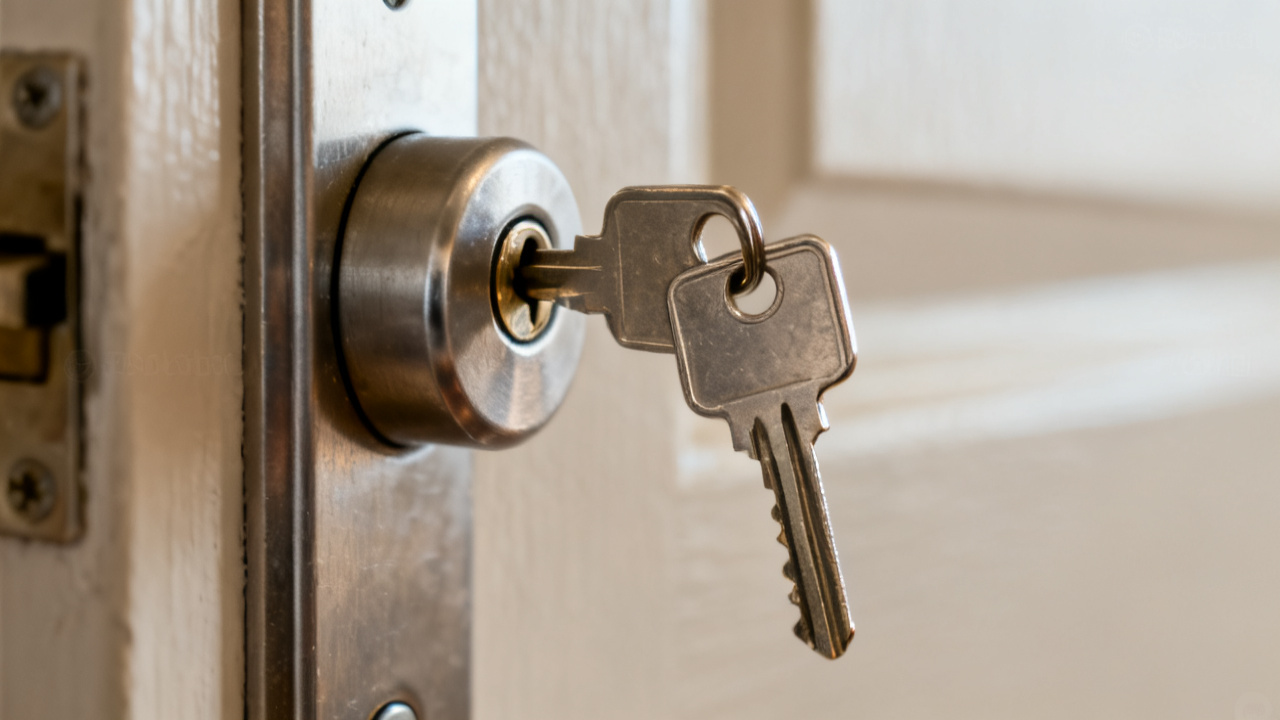
You hung this unused key copy on the Spare Key Hook mounted to the wall next to your entryway coat rack the day you moved in, and you haven’t touched it since. It has never been stuffed in a jacket pocket, dropped on concrete, or run through the washing machine, so the cuts on its blade are exactly as sharp and precisely shaped as they were the day the hardware store cut it. You reach up, unhook it, and slide it into the deadbolt you were struggling with 30 seconds earlier. It slides all the way in with no resistance, and turns smoothly in both directions, locking and unlocking the door without a single catch or jam. The issue was never the lock, it was just the worn copy you’d been using for a year and a half without swapping it out. You avoid the $120 minimum after-hours locksmith fee, you don’t have to wait an hour for someone to show up to your house, and you don’t have to deal with the stress of thinking you’re locked out or need an expensive lock replacement. The only remaining issue is that you now have two identical-looking key copies, one that works perfectly and one that jams every time you try to use it, so you need a way to tell them apart at a glance so you never grab the wrong one again.
Mark The Working Key Copy To Avoid Future Mix-Ups
This process takes less than two minutes, requires supplies you almost certainly already have at home, and ensures you will never accidentally grab the worn, failing copy when you’re in a rush to leave the house or get home after a long day. Follow these steps to mark your keys clearly:
- Wipe both the worn key copy and the working spare down with a rubbing alcohol pad to remove all dirt, skin oil, and pocket lint from the flat, wide sides of the key heads and blades, so any mark you add adheres properly and doesn’t rub off after a few weeks of use.
- Use a permanent enamel paint pen in a bright, easy-to-spot color like neon orange, lime green, or hot pink to draw a ¼ inch dot on the wide, flat side of the working spare, near the top of the key head where it’s easy to see even when it’s on a key ring with multiple other keys.
- Add a second, smaller dot right next to the first one if you have multiple keys for entry locks on your property, to distinguish this front door key from copies for your back door, side gate, or garage entry lock, so you don’t fumble through your key ring when you’re carrying groceries or trying to get out of the rain.
- Scratch a tiny, shallow X into the head of the worn, failing key with a metal nail file or the tip of a pair of scissors, so you can spot it immediately even if the paint on your working keys wears off over time, and you never accidentally pick it up when you’re grabbing keys to leave the house.
- Tuck the worn, failing key copy into the back of your junk drawer to use as a backup template only if you lose all working copies of the key, rather than using it as a template to cut new copies, since copying a worn key will only produce more worn, poorly fitting copies that will fail quickly.
Once you’re done marking, hang the working spare back on the hook in your entryway, and add the marked working copy you’ll use daily to your regular key ring. You can cut additional copies whenever you need them using the working spare as a template, to ensure every new copy fits perfectly and doesn’t wear down prematurely. If you have family members or roommates who also use copies of this key, mark theirs the same way so everyone knows exactly which key to grab and which one to avoid, cutting down on frustration for everyone who lives in or visits your home regularly.
Next Morning When You Use This Same Key Copy
When you grab your key ring off the kitchen counter the next morning to head to work, you spot the bright orange dot on the working front door key immediately, so you don’t even reach for the unmarked, worn copy you left on the counter last night. You slide it into the deadbolt, turn it smoothly to lock the door, and head to your car with no delays or frustration. On your lunch break, you bring the working key copy to the hardware store to have two additional spares cut, using the perfectly shaped working copy as the template, so you have extra copies to give to your dog walker and your sibling who stops by to water your plants when you’re out of town. You mark both new copies with the same neon orange dot when you get home, and hang one next to the original spare on the entryway hook, so you always have multiple working copies easily accessible inside the house if you ever grab the wrong key or misplace your regular key ring.
When you get home that evening, you test the worn copy one more time just to confirm, and it still jams halfway through turning, so you tuck it in the back of your junk drawer as planned, where it stays unless you lose all your working copies down the line. You don’t have to worry about jammed locks when you’re coming home late at night, or paying for expensive emergency lock services, because you now have a simple system to tell working key copies apart from worn ones, and you know to reach for the spare copy before you pick up the phone to call anyone for help. You’ll never waste time struggling with a worn key copy again, and you’ll never pay for a locksmith call you don’t actually need, all because you took 30 seconds to try the other copy first.