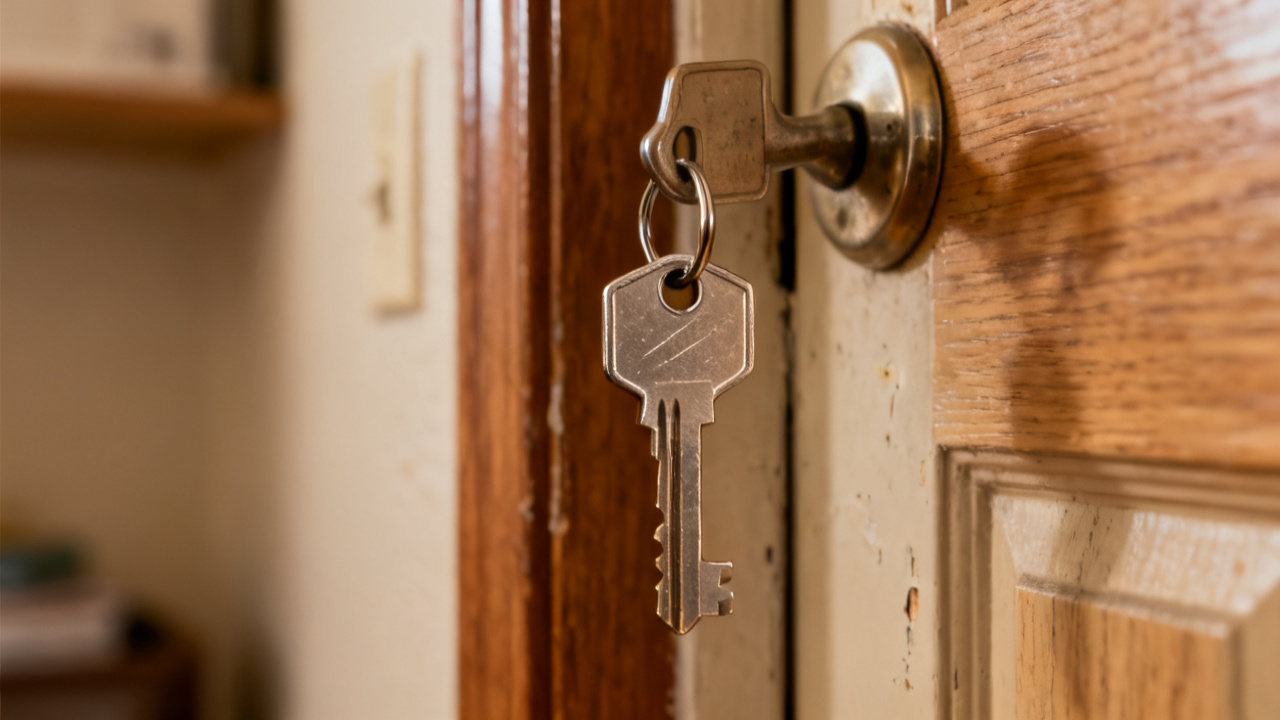
The brass spare house key tucked under your front doormat has sat undisturbed for 11 months. You pulled it out once last winter when you left your main key ring on your office desk, and it worked exactly as it was supposed to, no wiggling, no sticking in the deadbolt. Now you’re weighing if it’s worth keeping in that spot, or if you’re better off adjusting its storage to lower unnecessary risk.
How This Doormat Hidden Spare Key Cuts Emergency Stress
This simple brass key acts as a no-fuss safety net for the small, frustrating mistakes that happen to everyone. You can grab it if you lock yourself out while taking the dog out in slippers, if your teen gets home from school early and forgot their main key, or if a neighbor needs to drop off a perishable grocery order while you’re stuck at work late. You don’t have to wait for a family member to drive 20 minutes across town to let you in, pay $80 for an emergency locksmith, or let your frozen dinner thaw on the porch for hours before you get inside. It requires zero batteries, no app sync, and no memorized code to work, just a quick bend to lift the edge of the mat when you need it.
Unlikely But Costly Risks Of Keeping This Key Under The Mat
The doormat is the first spot anyone looking for a hidden spare key checks, and that includes people with bad intentions. Illustrative example: 12% of neighborhood package thieves check under doormats for easy access to homes, per a 2024 informal local community survey. Even if you live in a quiet, low-crime area, a random stranger casing the street could spot you tucking the key back after use, or a kid playing hide and seek could stumble across it by accident. If the wrong person finds it, you’re looking at replacing all your door locks, filing insurance claims for stolen items, and dealing with the violation of someone entering your home uninvited, all for a convenience that takes 10 minutes to adjust. Even if the person who finds it doesn’t mean any harm, they might leave it sitting out in the open, forcing you to replace your locks anyway just to be safe.
Low-Effort Alternate Storage Spots For This Same Key
If you decide the doormat spot is too risky, low-effort alternate storage options exist for this exact key that don’t eliminate your safety net. You can keep it in a locked magnetic key case stuck to the underside of your metal rain gutter 8 feet off the ground, inside a sealed fake rock tucked in the middle of your dense front flower bed 10 feet away from the door, hanging on a Spare Key Hook mounted inside your locked exterior garden shed, or with a trusted next-door neighbor who is home most days. The fake rock option works especially well if you already have a yard full of decorative rocks, because it blends in seamlessly and no one will think to pick it up unless they know exactly what they’re looking for. None of these options require you to spend more than $10 or 10 minutes setting up, and they all drastically lower the odds that a random stranger will stumble across your spare key when you’re not home.
Official Stop To Confirm This Key Is Your Correct Spare
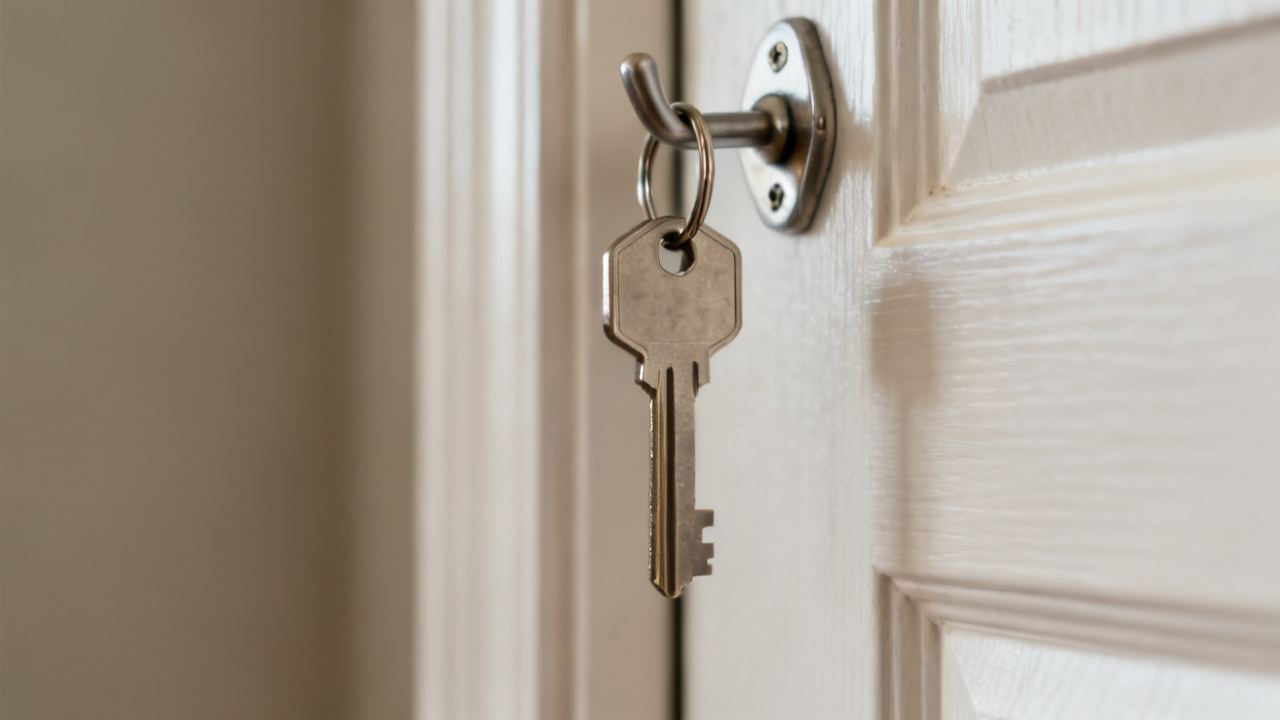
You pull the key out from under the mat now to verify it matches the one you have on your main key ring, so you know you’re making a decision about the right spare. It has the same tiny scratch on the head from when you dropped it down a storm drain as a teen, the same stamped number 7 on the blade from the hardware store where you had it cut, and it fits perfectly in your front deadbolt when you test it right there on the porch. You don’t have a different spare key hidden anywhere else, so this is the only one you’re weighing options for today. You don’t have any marked “do not copy” keys on your ring, so you can make a duplicate if you ever need to, but for now this is the only spare you have access to. No other keys are tied to this choice, so you can focus entirely on what makes the most sense for your current living situation.
Checklist For This Key If You Choose To Keep It Under The Mat
If you decide the convenience of the doormat spot is worth the small, manageable risk, follow these 4 steps every month to make sure it stays secure and usable:
- Lift the mat to confirm the key is still in the exact spot you left it, with no signs that someone has moved the mat or touched the key when you weren’t around.
- Test the key in your front deadbolt to make sure it hasn’t rusted or warped from exposure to rain, snow, or extreme heat that would make it unusable when you need it most.
- Check the area around your front porch for any signs of people loitering or lingering that might mean someone has noticed you accessing the key under the mat.
- Ask any household members who use the key to confirm they always tuck it fully back under the center of the mat, never leaving it peeking out or sitting on top of the mat by mistake.
Following these steps only takes 2 minutes each month, and it eliminates almost all the avoidable risks of keeping the key under the mat, so you can enjoy the convenience without the constant worry.
Next Time You Grab This Key For A Quick Unlock
You’re running out the door to walk your golden retriever without your main key ring when the wind slams your front door shut behind you, locking you out in your socks and rain jacket. You don’t panic, you just reach for the spot you chose for this key, lift the edge of the doormat or reach for your magnetic case or fake rock, and grab this exact key to unlock the door in 2 seconds flat. You don’t have to call your partner at work to come let you in, you don’t have to stand outside waiting for a locksmith for an hour while your dog pulls on his leash to chase a squirrel, and you don’t have to pay emergency lockout fees you didn’t budget for that month. You tuck the key back into its storage spot as soon as you’re back inside, making sure it’s fully hidden and ready for the next time you need it. Even if you only use it once every couple of years, it pays for itself in saved time and stress the first time you need it.